


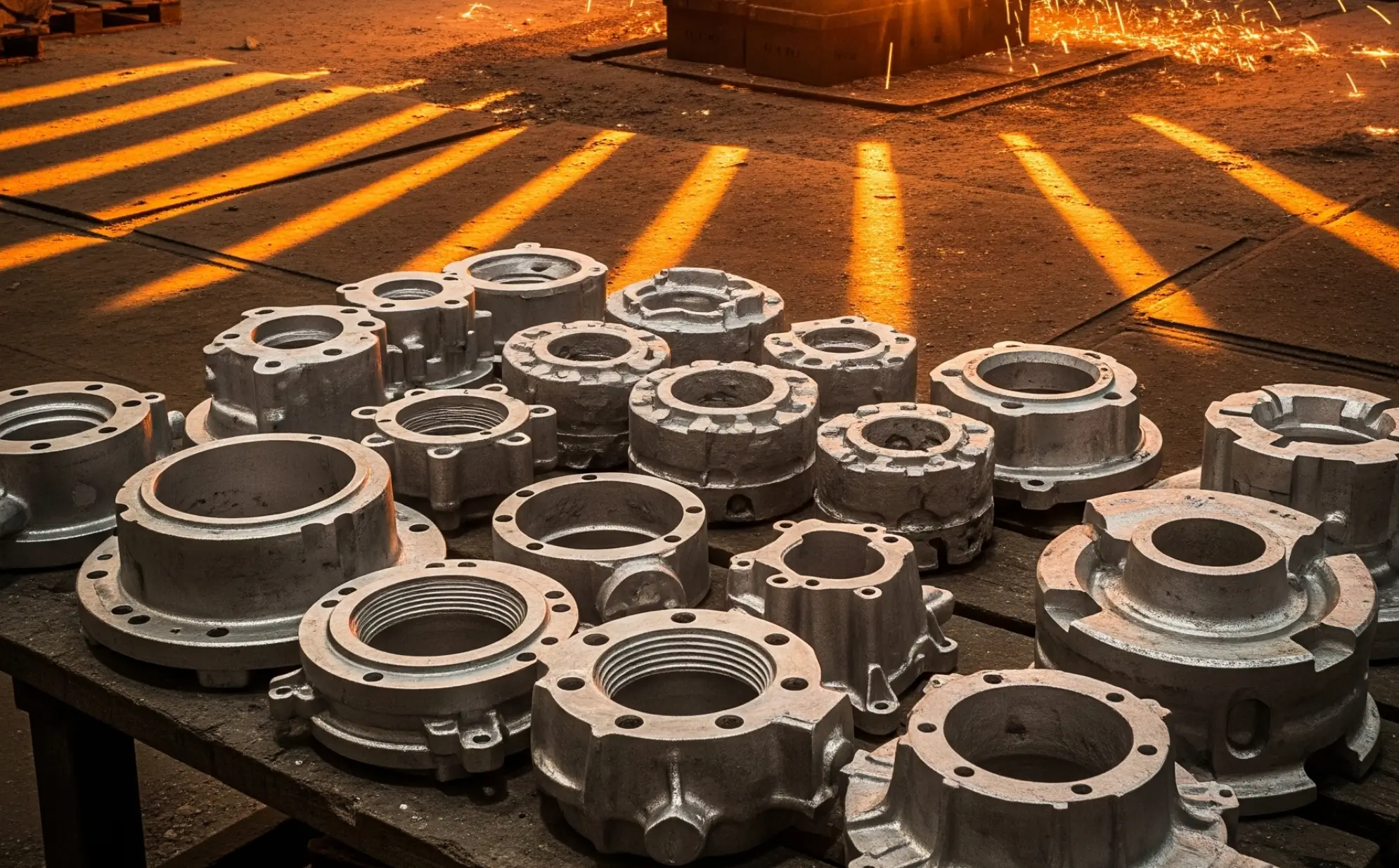
When you are building machines that need to run without fail, you need parts that do not give up. That is why many OEMs and industrial engineers still rely on casting for general engineering components. It is not about tradition. It is about trust. Foundries like ours at Sunflame Technocast have worked with manufacturers across industries to provide dependable cast parts. Without overcomplicating the process.
In this article, we will explain why casting continues to be the most reliable method for general engineering parts. Also, how we do it at Sunflame Technocast, and how it actually works for your industrial needs.
Why General Engineering Needs a Reliable Casting Method
In general engineering, you deal with all kinds of parts – heavy brackets, housings, pulleys, clamps, flanges, gear boxes. Some are simple. Some are complex. But they all have one thing in common: they need to hold up under pressure.
That is where sand casting for industrial applications makes sense. It allows for flexibility in design, works with different materials, and helps create both small and large parts without too much cost. We have seen OEMs who switched to sand casting and found they saved money & time.
A good casting can handle wear and stress. And if made right, it fits straight into your assembly line with little need for rework. That is what we aim for.
Sand Casting: Tough Enough for Real-World Use
You could think of sand casting like molding clay – only much hotter and harder. We press a pattern into special sand to create a hollow shape. Then we pour molten metal into it. Once it cools and hardens, we break the sand and take out the casting.
It’s simple on the surface. But making it work for real-world parts takes experience.
At Sunflame Technocast, we have used sand casting for industrial applications in sectors like machine tools, transmission systems, and general equipment. It’s ideal for:
● Complex shapes that are hard to machine
● Medium to large batch production
● Strong materials like Stainless steel
You can explore some of our past cast parts here.
Shell Mold Casting: Precision Where It Counts
Shell mold casting is different. It’s more like printing a fine mold layer by layer. Instead of packing sand around a pattern, we make a thin shell using heated resin-coated sand. The result is a smoother finish and tighter dimension control.
This process is great when you need:
● Fine surface finish without much machining
● Smaller or medium-sized parts
● Higher repeatability
Anywhere that precision matters.
If sand casting is the strong workhorse, shell mold casting is the precision toolmaker.
What Makes a Good Casting Partner for General Engineering?
Casting is not just about pouring metal. It is about controlling variables -heat, shape, shrinkage, surface, stress. Poor casting can look fine outside, but fail in use. That is why trust matters.
At SunflameTechnocast, we focus on getting each stage right:
● Material selection: We work with Stainless steel, duplex
● Pattern design: Our engineers check fit and shrinkage before production
● Testing: We use spectrometer sand other inspections
● Traceability: Every batch can be tracked back to the melt
We supply parts to OEMs across India and abroad. And we have built long-term partnerships because we meet both drawings and deadlines.
Conclusion: Why Casting Still Wins
In a world of high-speed machining and automation, casting for general engineering components still holds its ground. It delivers strength, scale, and cost-effectiveness – especially when done right.
Processes like sand casting for industrial applications and shell mold casting offer you reliable solutions tailored to your needs.
At Sunflame Technocast, we do not overpromise. We build what works – and we test what we build. If you are looking for a dependable casting partner, we are ready.

